Book Online
07400454839
Iveco van timing belt, water pump and sump: working around a seized subframe in Cardiff
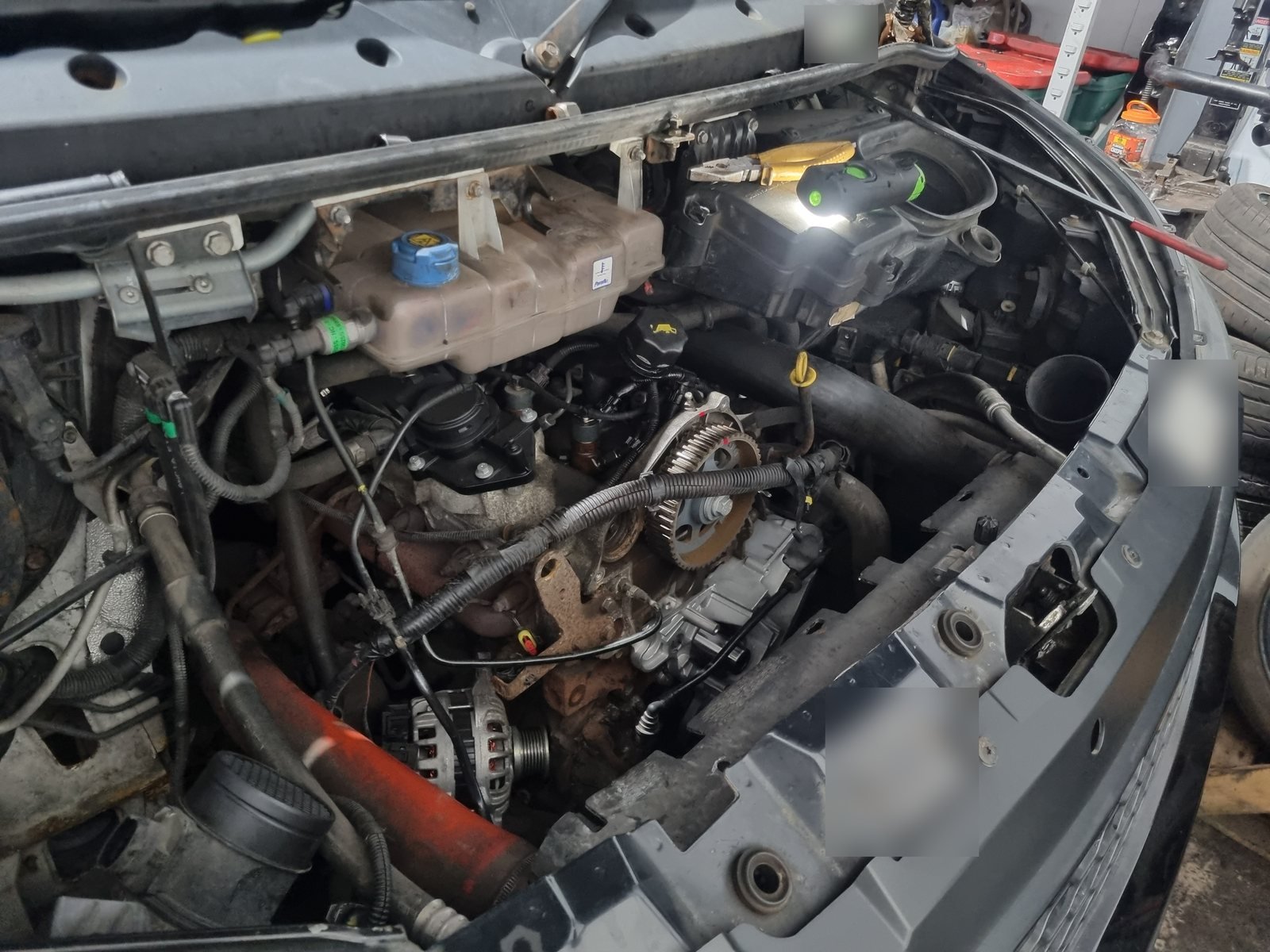
An Iveco van came into our Rumney workshop for three jobs at once: a new timing belt, a new water pump and a replacement engine sump. The belt and pump went the way that work normally goes. The sump did not. Underneath, the subframe that sits below the sump was so rusty and seized that the usual route to the sump was closed off, The technician could not lower the subframe or loosen its bolts at all, and the engine is supported on that same subframe. His plan on the lift was to raise the engine as far as it would go for clearance, with taking the engine out as the fallback. The team supported the engine, made the room they needed and fitted the new sump and gasket with the seized subframe left exactly where it was.
Our technician filmed the underside as he worked and talked through the problem on camera. His words are quoted further down the page.
Van or car due a timing belt, or leaking oil from the sump? Book it in for timing belt replacement in our Rumney workshop, where the job is priced before we start and anything unexpected underneath gets a phone call, not a surprise on the invoice.
- The work was a timing belt kit, a water pump and a replacement engine sump on an Iveco van.
- Replacing the water pump during a timing belt job is standard practice where the pump sits in the belt area, because a pump that fails later means paying for the same labour twice.
- The subframe below the sump was heavily corroded and seized, which blocked the normal way of removing the sump.
- The technician could not loosen the subframe bolts even a little, and the engine is supported on that subframe, so lowering it was ruled out.
- The plan was to raise the engine for clearance, with engine removal as the last resort, and the new sump went in without forcing the corroded subframe.
- Corrosion on a van's underside does not only affect the MOT. It changes how long routine mechanical jobs take and how they have to be done.
- Booking the belt, pump and sump together meant one strip-down and one visit rather than three.
What the van came in for, and why the three jobs were booked together
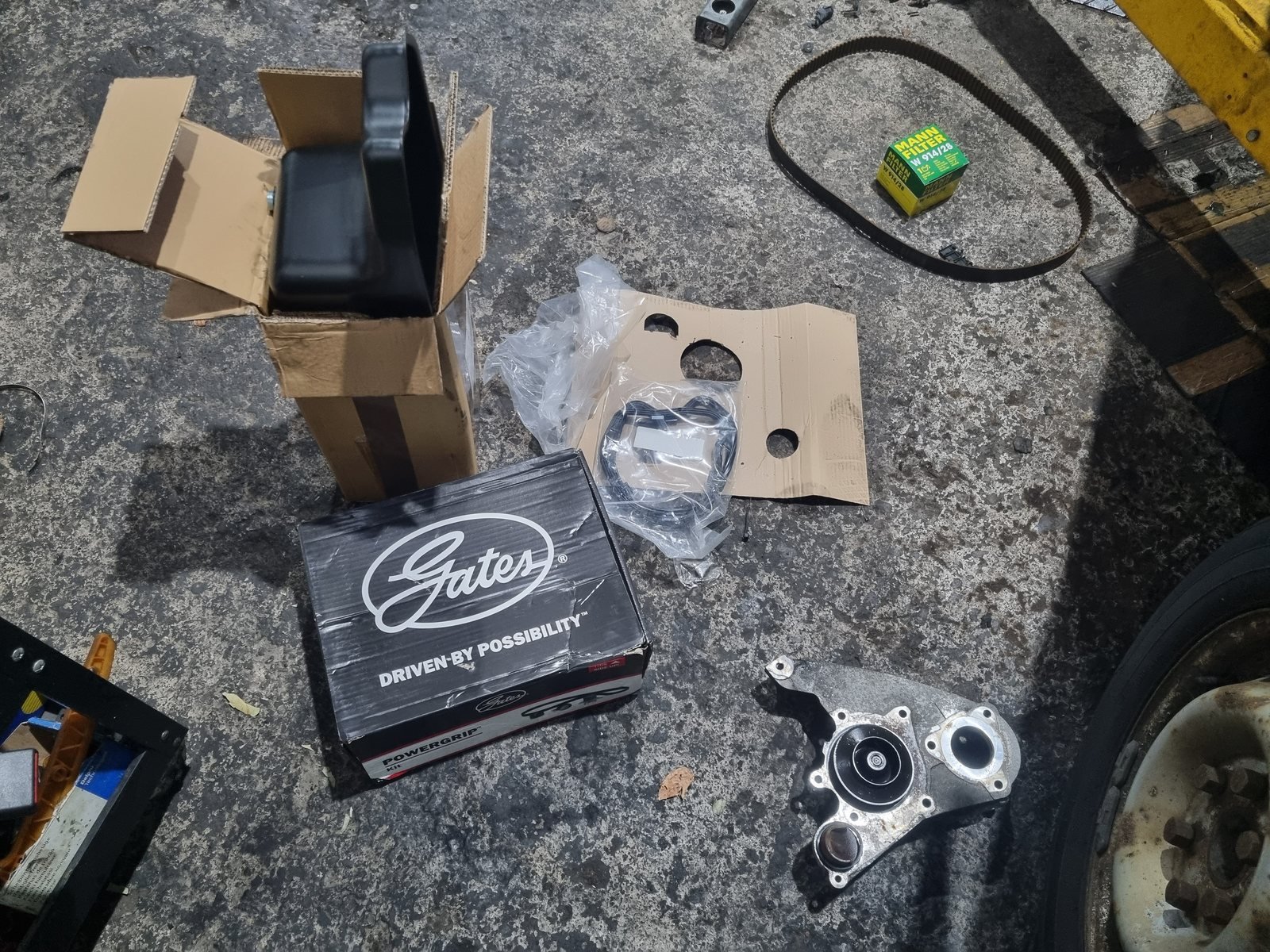
The brief was clear from the start: a new timing belt, a new water pump and a replacement engine sump. The parts photograph shows the job laid out on the workshop floor before refitting, with a new timing belt kit still in its box, the replacement steel sump and its gasket, a new oil filter, and the old belt and old water pump alongside.
Doing all three in one visit made sense. A timing belt job means stripping the front of the engine, and a sump change means draining the oil and working underneath. Booking them separately would have meant paying for access twice and taking the van off the road twice.
For a working van, the cost that hurts is usually the downtime rather than the parts. Every extra day off the road is a day of lost jobs, so bundling work that shares the same access is one of the simplest ways to keep a van earning.
The timing belt and the water pump went back in as planned. The sump was where the van showed what years of wet roads had done to it.
What the underside showed once the van was on the lift.
The sump sits right over the subframe
From underneath, the steel sump hangs directly above the front subframe, with pipework running close alongside. The original pan looked dirty and oil-wet. On a layout like this, the subframe is in the way of the sump coming straight down, which is why a sump change often involves lowering or loosening the subframe first.
Heavy corrosion on the subframe and its mountings
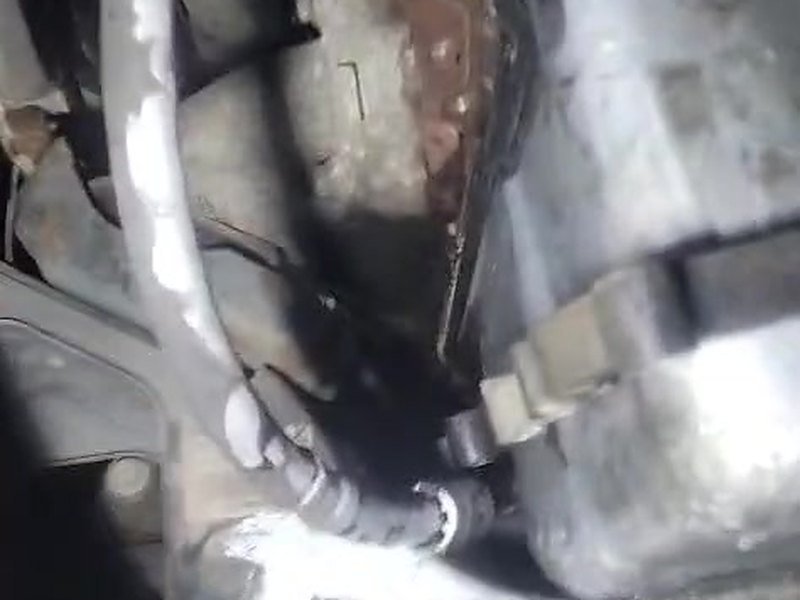
Moving the camera along, the subframe mountings are covered in thick, flaking rust, with layers of scale lifting away from the metal close to the steering rack gaiter. Corrosion this heavy around the fixings is the clearest sign that bolts will not undo in the normal way, and that anything pushed too hard may shear rather than turn.
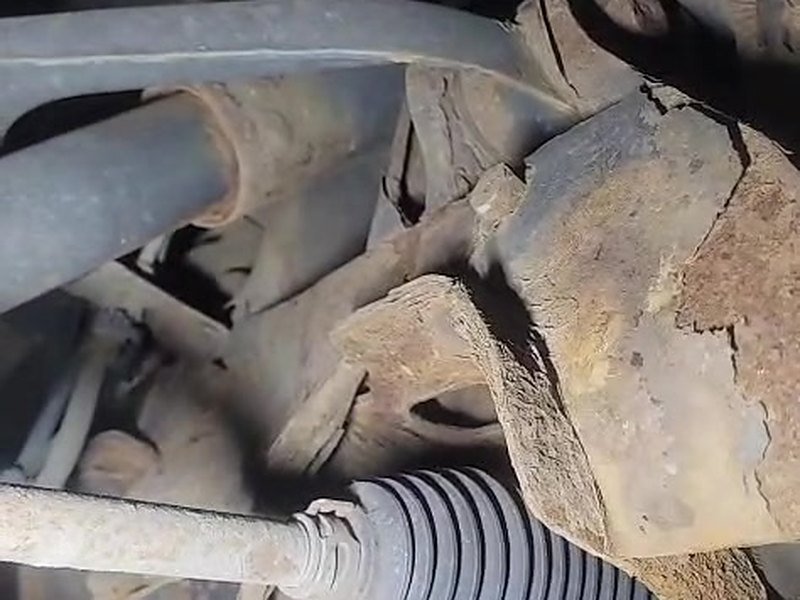
Very little room to work
In the video the technician's hand shows the gap between the subframe and the sump, and it is tight. He also points out the arms attached to the subframe, one more reason it could not simply be dropped. With the subframe seized in place, the space left to manoeuvre a sump out and a new one in is small. That combination, a seized subframe and a tight gap, is what made the standard approach impractical on this van.
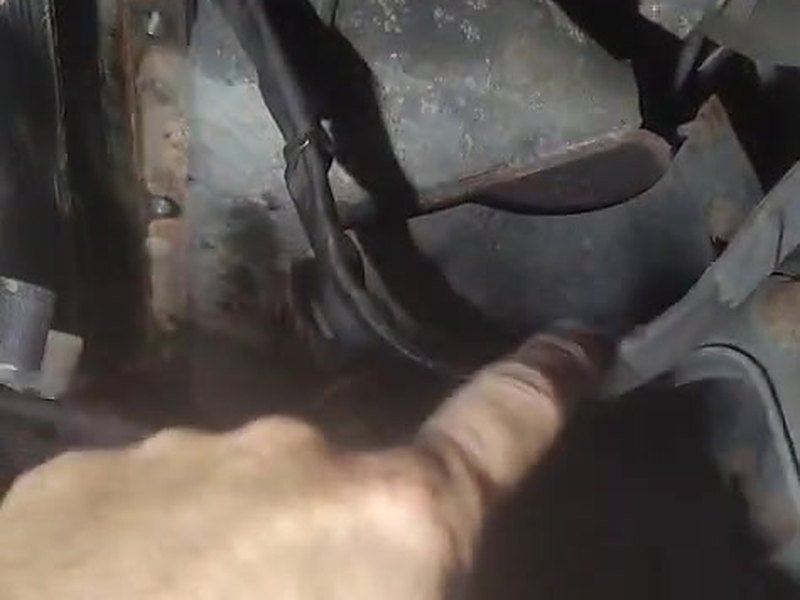
Why we did not force the seized subframe.
On paper, the usual answer to a subframe in the way is to lower it. On this van the subframe was too rusty and seized for that to be a sensible route, and trying to force it would have brought risks of its own.
Rusted subframe bolts are often fused into their threads. Heat and leverage can free some of them. On this van the technician could not loosen them even a little. Others snap, leaving a broken stud inside a mounting that then has to be drilled out or repaired before the subframe can go back. On a load-bearing part that holds the suspension and steering in place, that is not a corner to cut.
A snapped subframe bolt turns a sump job into a structural repair. Choosing a route that leaves a seized, corroded subframe undisturbed protects the parts that keep the steering and suspension where they belong.
There was a second problem. The engine is held on that subframe, so lowering it would also take away the engine's support. Rather than fight it, the plan became to support the engine and raise it as far as it would go, opening enough room for the sump to come out past the subframe. If that room was not enough, the engine would have to come out to change the sump. In the technician's words, there was no other way. It takes more patience and more careful handling in a tight space, but it avoids creating a second, bigger problem in the middle of the first job.
It is also the kind of decision that only gets made well with the van on a lift in front of someone who does this work every day. Corrosion changes the plan, and a good workshop adjusts the plan rather than the van.
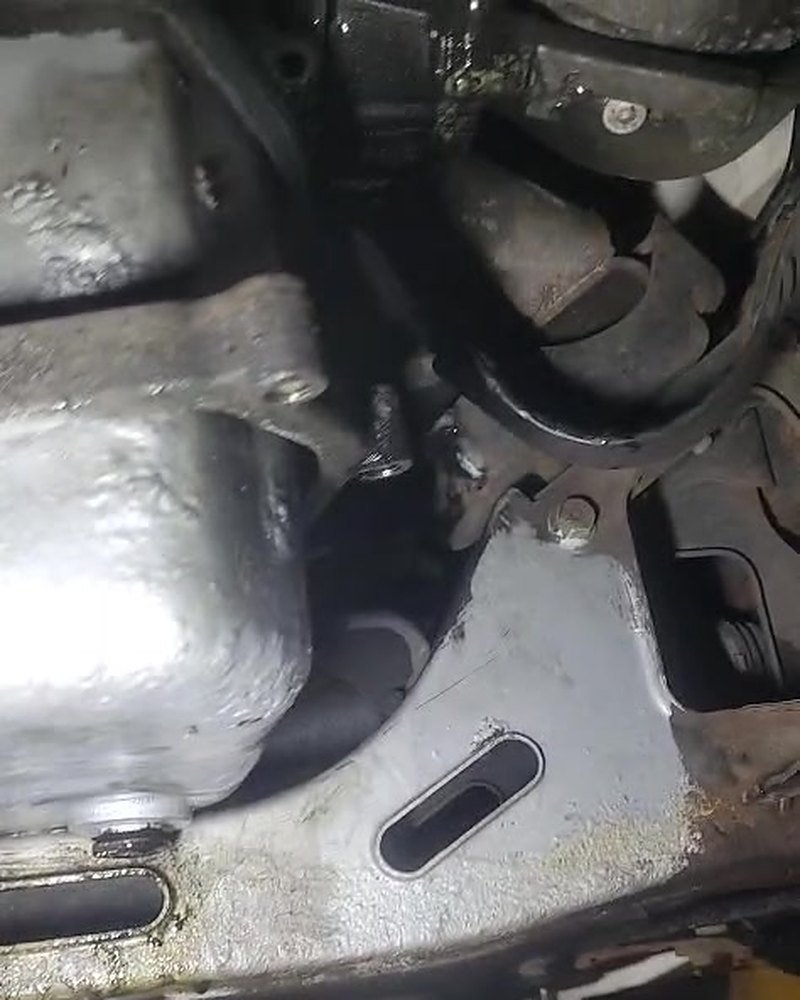
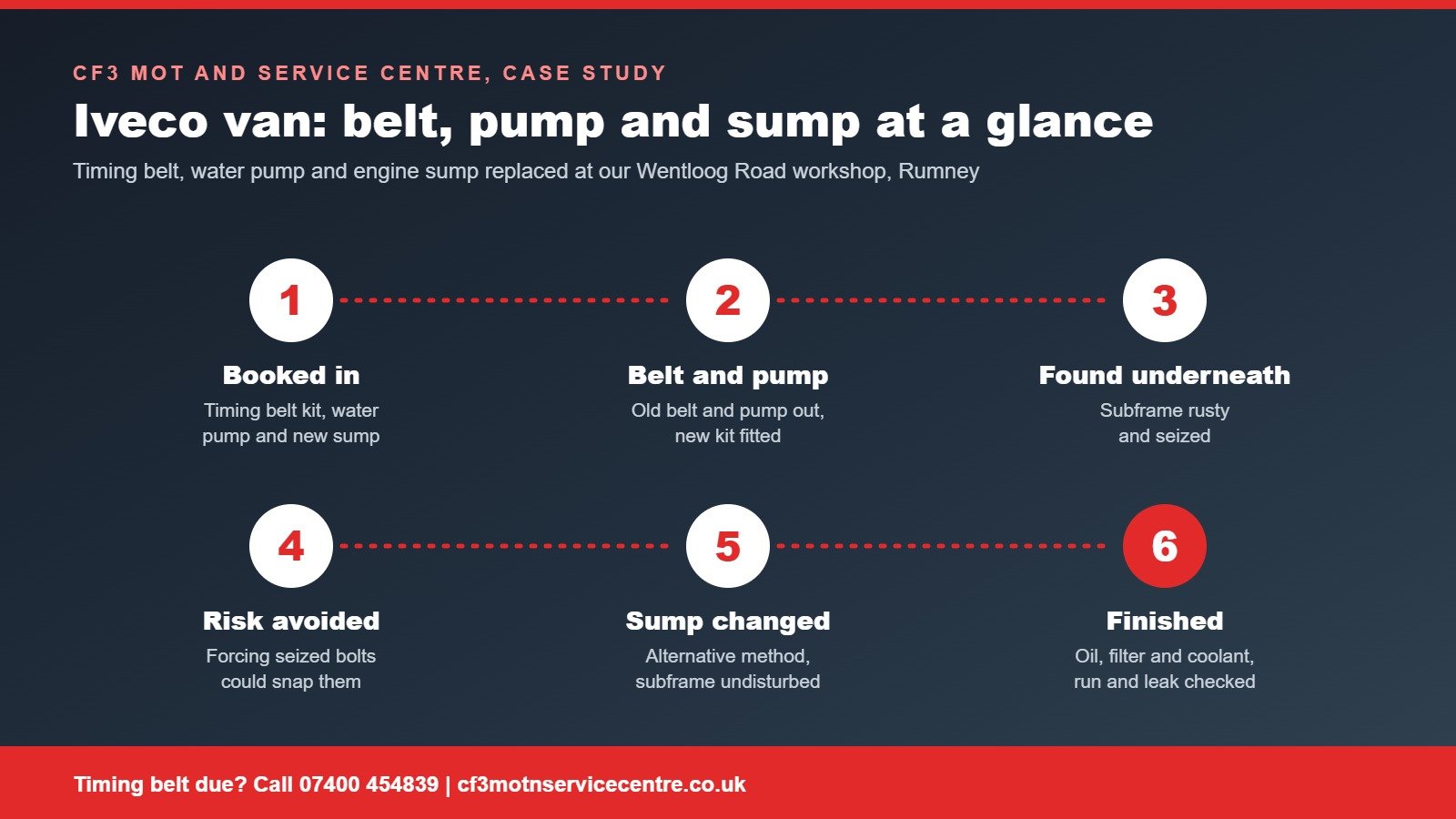
How a belt, pump and sump job runs, stage by stage.
A timing belt is one of the jobs where precision matters more than speed. If the belt fails, or the timing is set wrongly when a new one goes on, the damage inside many engines can be severe. So the work follows a set order, and the sump sits in that order where it causes the least disruption.
The water pump was changed at the same time as the belt, which is standard practice where the pump is reached during a belt job, because a new belt running alongside an old pump is a false economy. Fresh coolant, a new oil filter and fresh oil round off the job once the sump is back on.
Inspection and agreed scope
Van on the lift, jobs confirmed, parts ordered, price agreed before work starts.
Strip the front and remove the old belt
Access gained, engine timing marked and locked, old belt and water pump removed.
Fit the new pump and belt kit
New water pump fitted, new belt kit installed and timing checked before anything is closed up.
Change the sump the safe way
Oil drained, engine supported, and the old sump swapped for a new sump and gasket by an alternative method that left the seized subframe in place.
Refill, run and check
New oil and filter, coolant refilled, engine run and checked for leaks before the van goes back.
When corrosion changes the plan mid-job, the right response is a photograph, a phone call and an agreed way forward. That is how this van was handled.
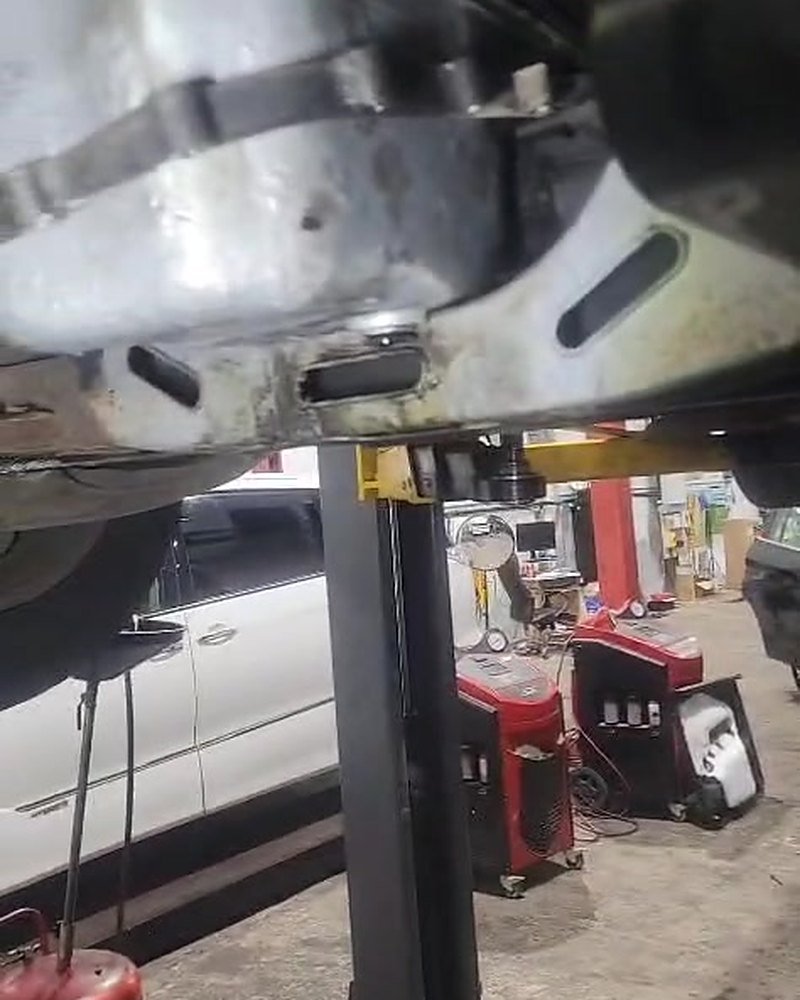
If your van is due a timing belt, ask when you book whether the water pump, tensioner and idlers are included, and ask the garage to look underneath while it is on the lift. On older vans that spend their lives on salted roads, the underside can change how a routine job has to be done. Knowing that before the strip-down means a realistic price and a realistic finish date, and our van and fleet maintenance service plans that work around when the van can be spared.
Timing belt due, or oil on the drive?
Tell us the registration and the mileage. We will check the belt interval for your engine, price the belt kit and water pump together, and look underneath while the vehicle is on the lift. For vans, ask about collection and delivery so the van does not need to be driven in.