Book Online
07400454839
-
By: Ali Hindal
- 0 Comments
When your car is your main way to get around Cardiff, you depend on it working well. But cars don’t always tell you clearly when something is wrong. Many people ignore small issues, hoping they will go away. This can lead to bigger, more expensive problems down the road.
Knowing the early warning signs that you need a mechanic can save you money, time, and stress.
If you live or work in Cardiff, finding a reliable mechanic is important. Cardiff’s busy roads and changing weather can put extra pressure on vehicles. Some problems are easy to spot, but others are more subtle. This guide will help you understand the top 10 signs that show your car needs a mechanic’s attention.
Ignoring these signals can be risky – for your safety and your wallet. Let’s look at what to watch for, with practical advice for each situation.
The signs that mean act today
- A red warning light means stop. An amber one means book in soon, not ignore it.
- The low oil pressure light is the one that turns a repair into an engine, and it can appear with no other symptom.
- A noise that changes with road speed, engine speed or braking tells a technician three different stories. Note which one yours follows.
- A sweet smell is coolant, a burning smell is usually clutch or brakes, and a fuel smell is never something to drive on.
- Vibration through the wheel and vibration through the seat point at opposite ends of the car.
- Most of these are cheap to diagnose and expensive to leave. The diagnostic is the cheapest part of the whole process.
1. Warning Lights Stay On
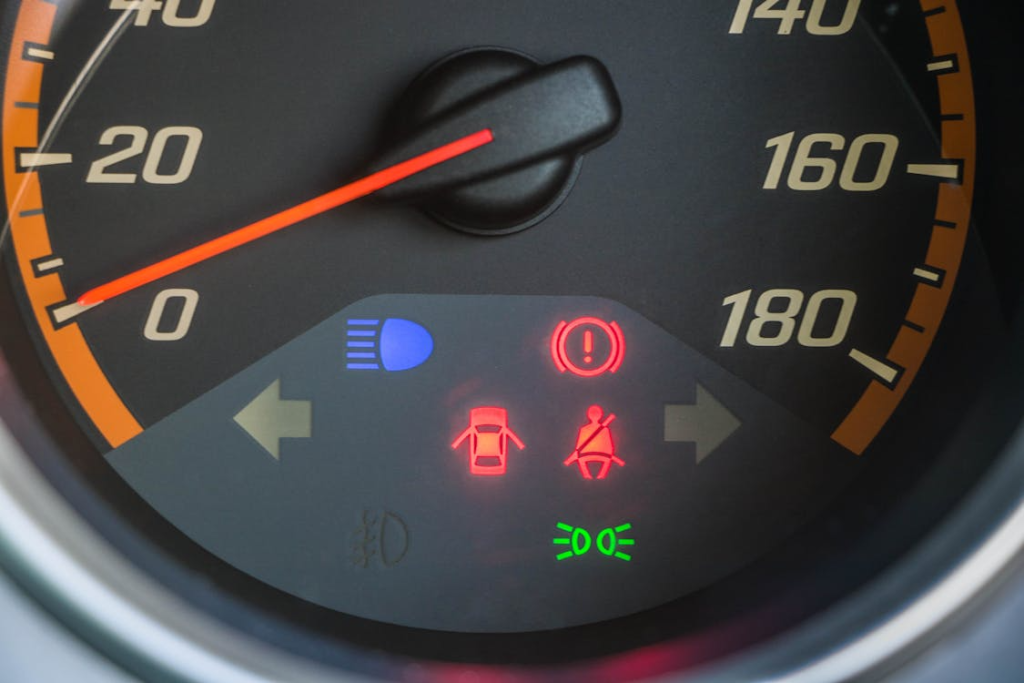
Modern cars have many dashboard warning lights. When you start your car, it’s normal for these lights to flash for a second. But if one or more stay on, it means your car’s system has found a problem. The most common is the check engine light. This could mean anything from a loose fuel cap to a serious engine fault.
Cardiff’s city traffic makes it easy to ignore these lights until you have time. But driving with warning lights on can lead to bigger damage. Some lights, like the ABS or airbag indicator, are about safety features. If you see a red or flashing light, stop and call a mechanic. For orange or yellow lights, you should still book a check-up soon.
Many drivers don’t know that some garages in Cardiff offer free code scans for warning lights. This quick test tells you if the issue is urgent or not. Don’t wait for the light to go away on its own – it rarely does.
2. Unusual Noises

Cars make some noise, but new sounds should get your attention. Listen for:
- Squealing brakes: Often means your brake pads are worn out.
- Grinding or knocking from the engine: Could mean parts are rubbing or something is broken.
- Humming from wheels: May signal a bad wheel bearing.
- Clicking when turning: Often a sign of a worn CV joint.
Cardiff narrow roads and speed bumps can make noises worse. Sometimes, a small stone is caught in a brake, but don’t assume the problem is minor. If a noise gets louder, happens often, or changes with speed, call a mechanic.
Early fixes are usually cheaper.
One mistake many car owners make is turning up the radio to “hide” strange sounds. This only lets the problem grow. Mechanics can often diagnose issues just by listening, so describe the sound clearly and when it happens.
3. Fluid Leaks
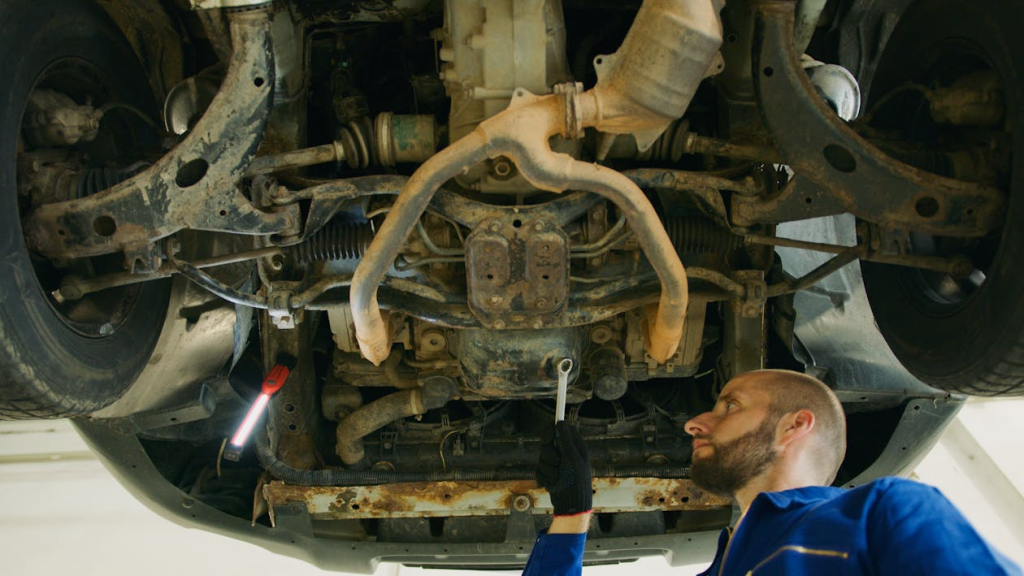
Your car uses several fluids: oil, coolant, brake fluid, power steering fluid, and more. Leaks can be serious. Look for:
- Brown or black puddles: Usually engine oil.
- Green, pink, or orange: Often coolant/antifreeze.
- Clear, slick fluid: May be brake or power steering fluid.
Even a small leak can cause big problems if left alone. In Cardiff’s rainy climate, it’s easy to miss leaks on wet roads. Try parking on dry concrete or cardboard and check for spots. Loss of coolant can lead to engine overheating.
Brake fluid leaks are especially dangerous and need immediate attention.
A common mistake is thinking all leaks are just water from the air conditioning. If you’re unsure, have a mechanic check it. Some leaks only appear when the car is hot or has been standing.
4. Strange Smells
A red light means stop, not slow down
If an oil pressure or temperature light comes on, pull over and ring us rather than pressing on. CF3 MOT and Service Centre runs 24 hour recovery across Cardiff, and collecting the car costs a fraction of what driving it home can.
Cars should not smell odd. Some smells to watch for:
- Burning rubber: Often means a slipping belt or hose is touching something hot.
- Sweet syrup: Usually leaking coolant.
- Rotten eggs: Could mean a problem with the catalytic converter.
- Burnt toast or electrical smell: May mean wiring is overheating.
In Cardiff, stop-and-go traffic can make smells worse. Never ignore strong or new odours. They can signal fire risk or toxic leaks. If you smell petrol, especially inside the car, stop immediately and get it checked. Small issues with smells can quickly become dangerous.
One non-obvious tip: Sometimes, a clogged cabin air filter can cause musty smells inside your car. Replacing this filter is cheap and easy for many models.
5. Poor Braking Performance
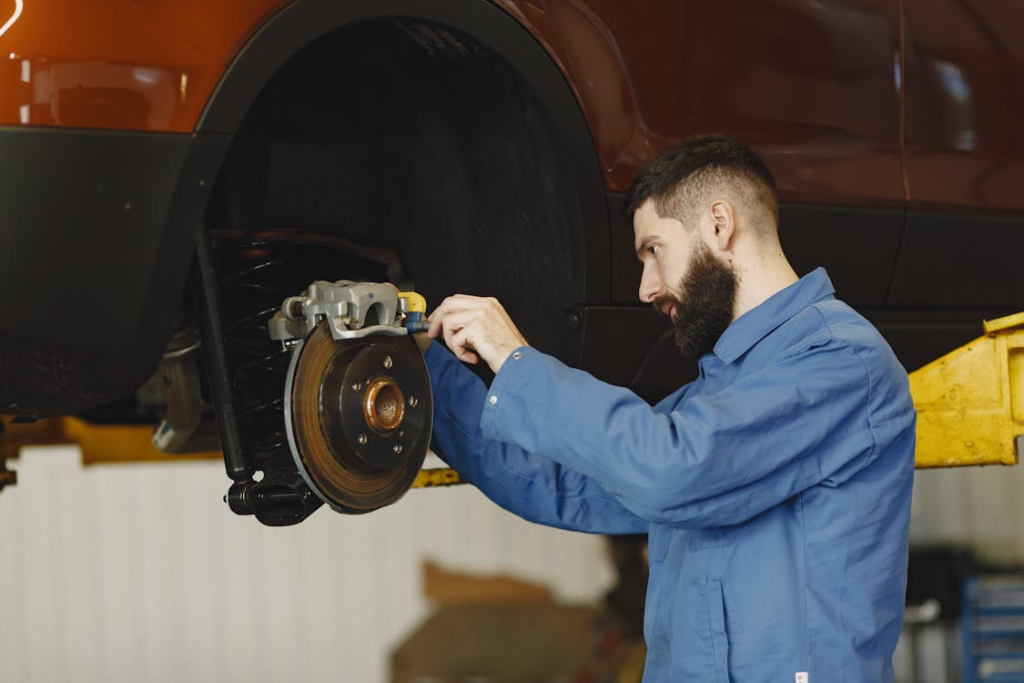
Your brakes are the most important safety system on your car. Signs of trouble include:
- Spongy or soft brake pedal
- Car pulls to one side when braking
- Vibrations or shaking
- Brakes feel weak or slow to stop
Braking issues can get worse quickly, especially on Cardiff’s hilly streets. If you notice any change in how your brakes feel, don’t wait. Some problems are simple, like air in the brake lines. Others, like worn pads or rotors, need parts replaced.
A mistake beginners make is assuming brakes only need attention if they make noise. Sometimes, brakes fail with no warning sounds. Regular brake checks are a smart habit.
6. Difficulty Starting The Engine
If your car struggles to start, it’s a sign something is wrong. Possible causes:
- Weak battery: The most common reason, especially in cold weather.
- Bad starter motor: You may hear a clicking noise.
- Fuel system problems: Like a clogged filter or failing pump.
In Cardiff, short trips and city driving can wear batteries out faster because the battery doesn’t recharge fully. If your engine turns over slowly or takes several tries to start, call a mechanic. Don’t ignore occasional problems – they often get worse.
One insight many people miss: Lights and radio can still work with a weak battery, but there may not be enough power to start the engine.
7. Poor Fuel Efficiency
If you find you’re filling up your tank more often, your car may be using too much fuel. Reasons for this can include:
- Dirty air filter
- Bad oxygen sensor
- Low tyre pressure
- Dragging brakes
- Engine misfire
Cardiff’s stop-and-go traffic can make fuel use higher, but a sudden drop in efficiency is a warning sign. Many drivers think poor fuel economy is just “old age” for cars, but often there’s a fixable cause.
Keep track of your mileage over several weeks. If you notice a big change, have your car checked. Fixing small issues can save you hundreds of pounds a year on petrol.
8. Excessive Smoke From The Exhaust
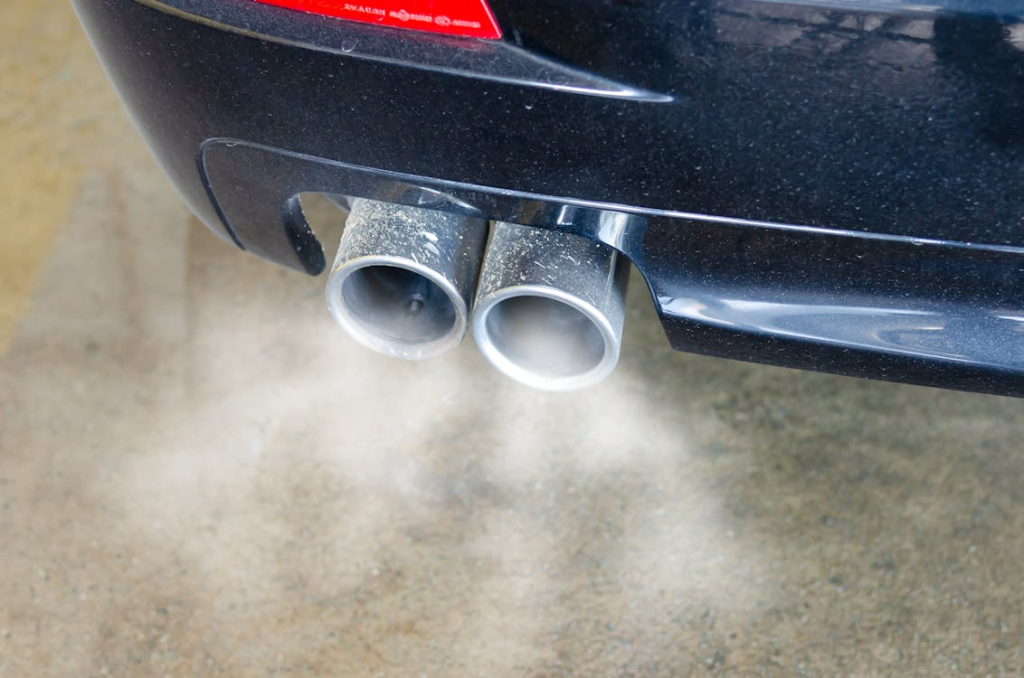
Some smoke from the exhaust is normal, especially when the engine is cold. But if you see:
- Blue smoke: Burning oil, often from worn engine parts.
- White smoke: Coolant leaking into the engine, which can cause serious damage.
- Black smoke: Too much fuel is being burned.
Cardiff’s clean air rules mean too much smoke can even get you fined. Excess smoke is often a sign of a failing engine or emissions system. If you see smoke that doesn’t stop after the engine warms up, book a mechanic visit soon.
A non-obvious point: Sometimes, condensation on cold mornings looks like white smoke but disappears quickly. True white smoke will keep going as you drive.
9. Vibrations Or Pulling While Driving
If your car shakes, vibrates, or pulls to one side, it can make driving uncomfortable and unsafe. Causes include:
- Unbalanced or damaged tyres
- Bent wheels from potholes
- Worn suspension parts
- Misaligned wheels
Cardiff’s roads can be rough, and hitting a curb or pothole is common. Even a small impact can throw off your car’s alignment. This can wear out tyres quickly and affect handling.
A key tip: If the steering wheel vibrates only at certain speeds, it’s likely a wheel balance issue. If the car pulls to one side, get your alignment checked. Both problems can be fixed by a good mechanic quickly.
10. Unresponsive Steering
Steering should be smooth and direct. Warning signs include:
- Steering feels heavy or slow
- Strange noises when turning
- Steering wheel does not return to centre
Problems with steering are serious because they affect control. They can be caused by low power steering fluid, worn steering parts, or issues with the suspension. In Cardiff, where tight turns and roundabouts are common, steering issues can be dangerous.
One thing beginners often miss: If you hear a whining noise when turning, it may mean the power steering fluid is low or leaking. Topping up the fluid can help short-term, but you need to find and fix the leak.

Comparing Common Car Problems
Here’s a quick comparison of how urgent some common car issues are:
| Problem | How Urgent? | Potential Risk |
|---|---|---|
| Check engine light | Within a week | Engine damage, high repair cost |
| Brake issues | Immediate | Accident risk |
| Fluid leaks | Within days | Overheating, brake failure |
| Unusual noises | Within days | Worsening damage |
How To Choose A Good Mechanic In Cardiff
Get the fault read rather than guessed
Nearly every sign on this page has several possible causes, and the only way to separate them is live data. Book a diagnostic at our Rumney workshop and we will tell you what is actually wrong before anything is ordered.
Finding a trusted mechanic can be tricky. Here are a few tips:
- Look for reviews online from Cardiff drivers.
- Ask friends or colleagues for recommendations.
- Check for certifications like the Motor Ombudsman or AA approval.
- Compare prices for common services, but remember: The cheapest is not always best.
See the table below for what to look for when comparing local garages:
| Feature | Why It Matters | What to Check |
|---|---|---|
| Certification | Shows training and standards | AA, RAC, Motor Ombudsman |
| Warranty | Protects you if repairs fail | Written guarantee length |
| Location | Convenience and travel time | Near home or work |
| Customer Service | Easy communication | Clear explanations, prompt replies |
Why Early Action Matters
Fixing car problems early is almost always cheaper and safer. Many Cardiff drivers wait until their next MOT or service, but by then, damage may be worse. Quick action can also help you avoid being stranded or failing an emissions test.
One insight: Some mechanics offer free checks for new customers. This can be a good way to spot small problems before they grow. Always keep a record of past repairs – it helps the mechanic diagnose future issues faster.
For official advice about vehicle safety and maintenance, visit the UK Government’s vehicle safety page.
When to see a mechanic: your questions
What Should I Do If My Check Engine Light Flashes While Driving In Cardiff?
A flashing check engine light means a serious engine problem, such as a misfire that could damage the catalytic converter. Pull over safely, stop the engine, and call for help. Do not keep driving.
How Often Should I Check My Car Fluids?
It’s a good idea to check engine oil, coolant, and brake fluid at least once a month, especially before long journeys or if you notice any leaks. Many issues in Cardiff’s climate start with low or dirty fluids.
Can I Ignore A Small Oil Leak?
No, even a small oil leak can get worse quickly and lead to engine damage. Oil leaks can also be a fire risk. Book a mechanic as soon as you notice any leaks.
Why Does My Car Shake At High Speed?
Shaking at high speed is often caused by unbalanced wheels or worn suspension parts. Cardiff’s potholes and uneven roads make this common. Get your wheels and tyres checked right away.
How Do I Know If A Mechanic In Cardiff Is Reliable?
Look for certifications, read recent reviews, and ask for a clear written estimate before work begins. A good mechanic will explain the problem and answer your questions honestly.
Spotting car problems early can save you money, time, and stress. By understanding these 10 warning signs and acting quickly, you keep your journeys around Cardiff safe and reliable. Don’t wait for a small issue to become a big repair – your car, and your wallet, will thank you.
Get the fault read before it becomes a bigger bill
Most of the signs on this page are cheap to investigate and expensive to ignore. Book a diagnostic at CF3 MOT and Service Centre on Wentloog Road in Rumney and we will read the live data and tell you what is actually wrong.
